
Community resilience allows for communities to prepare for, withstand, and successfully adapt to threats and recover from a disaster. Hawai’i is one of the most isolated populated landmasses in the world and experiences more types of hazards than any other county in the United States (Hawai‘i County, 2025). Hawai’i is experiencing increasing variation in rainfall patterns on each island. Rainfall trends from 1920-2012 show a steady decrease in annual rainfall for all Hawaiian Islands as well as increasing drought and heat (ICAP; State of Hawaiʻi, Climate Change Portal). With changes to the water cycle come other high-consequence events such as stronger storms, flooding, drought sea level rise, and wildfires, which further raises the importance of ensuring reliable access to clean water for the more than 200,000 residents of Hawai’i County. [discuss how we will cite sources]
Managing Your Catchment System before, during, and after an Emergency
Volcanic Eruptions
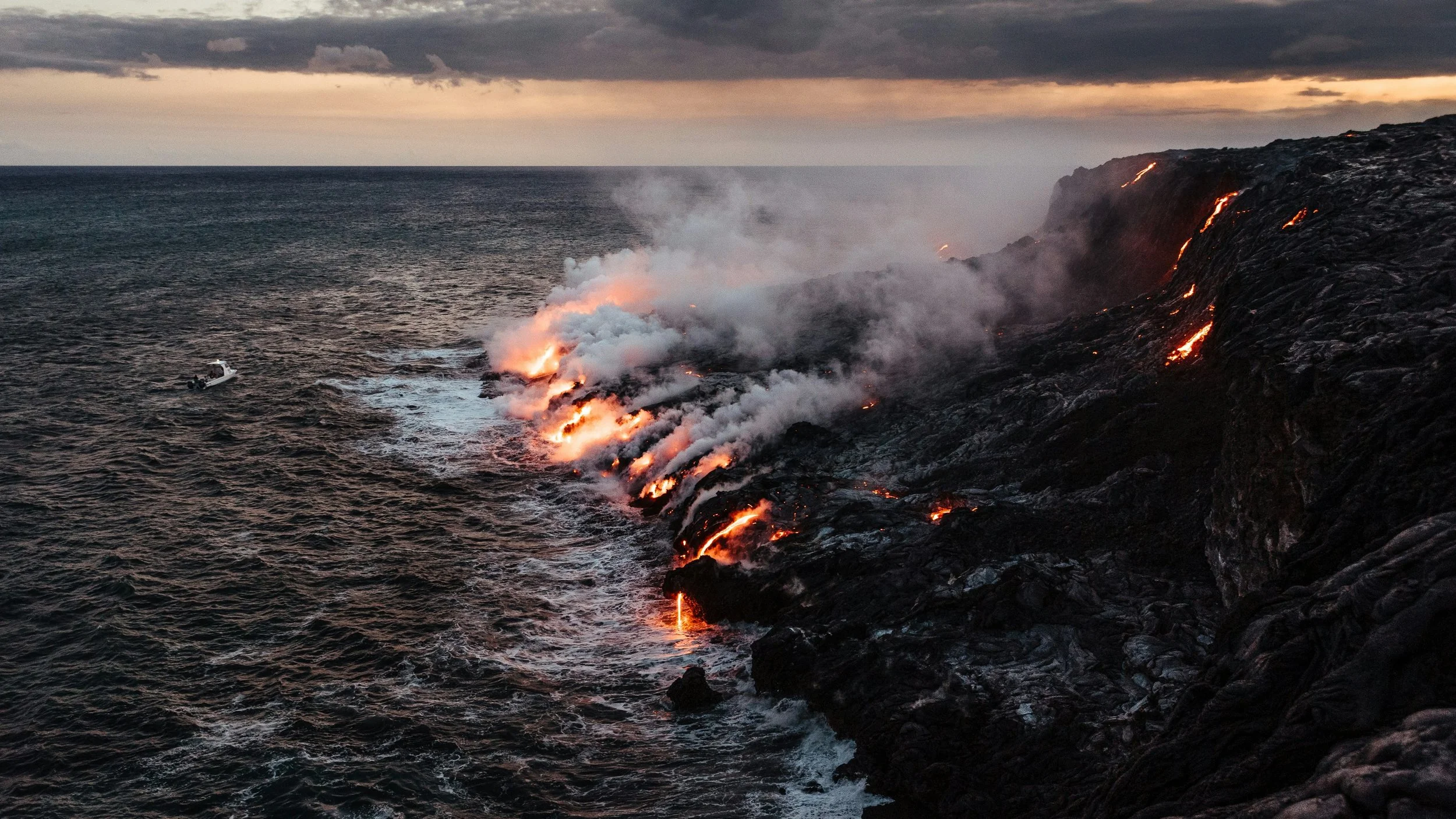
Eruption hazards, including activity at Kilauea volcano can impact rainwater catchment systems on the island of Hawai’i, in particular. Rainfall have a pH less than 5.6 is what is considered to be “acid rain".” pH values can be as low as 4 in Hawai’i due to volcanic emissions or Vog. Vog, Volcanic smog, is a mixture of sulfur dioxide and other aerosols can cause an increase in the acidification of atmospheric rainwater. During the 2018 eruption, pH levels of water in catchment systems was measured at a pH of 2 and lower. This lower the pH, the more corrosive the water. (cite these sources). Be sure to stay on on top of your monthly maintenance and pH balancing to reduce overall corrosion of your home plumbing and home systems, which could leach lead and other harmful metals into your water.
** talk about the physical realities of these and not chemical impact
Ash and Pele's Hair have been found to contain various metals and are hazardous to ingest. Catchment users should avoid accumulating it in their water tanks. Installation of first flush diverters and vegetation management and help with contamination mitigation associated with these volcanic emissions and airborne pollutants. (cite these sources)
Flooding
Drought
These communities rely on private or shared wells, water trucked to cisterns.
Fires
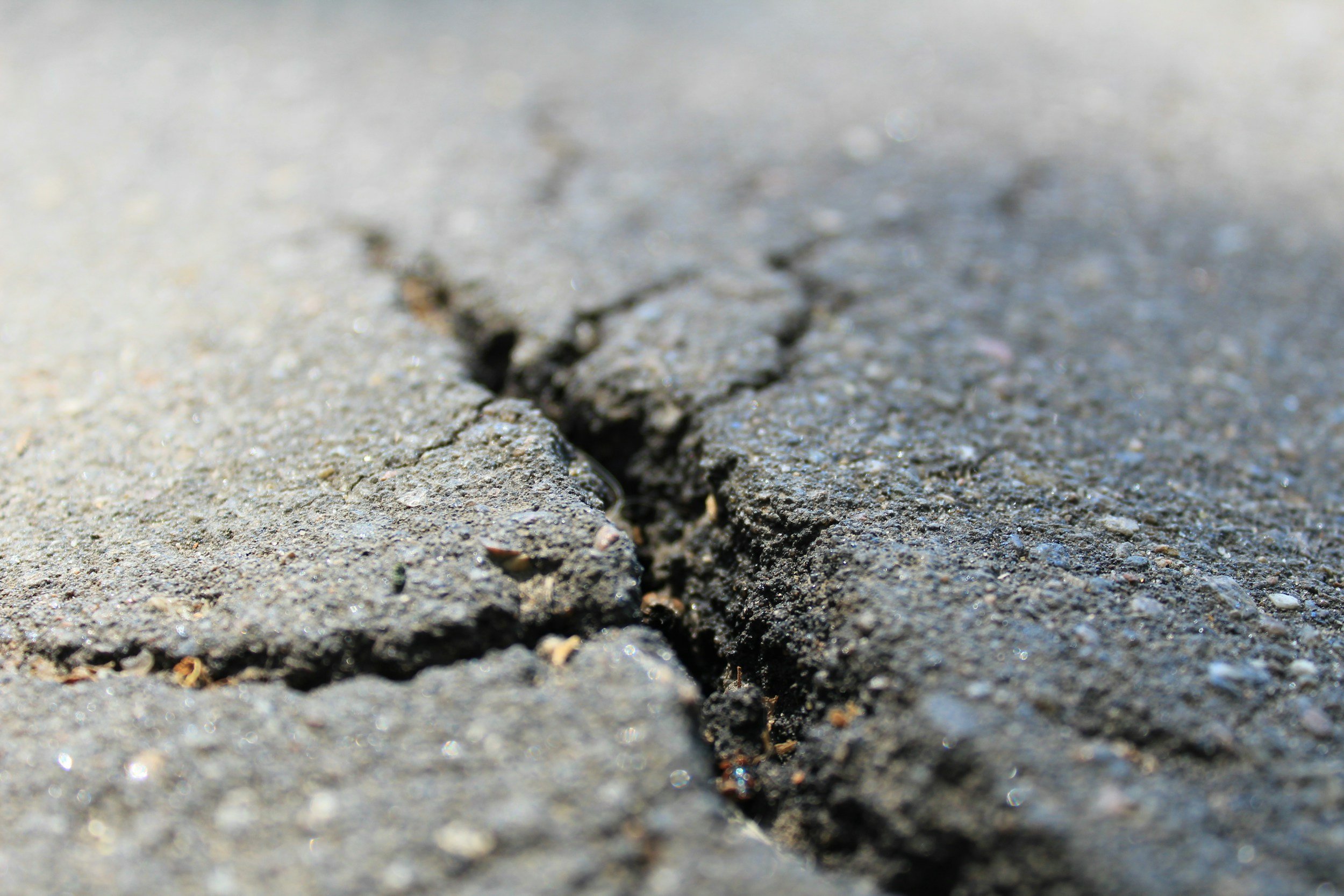
Earthquakes
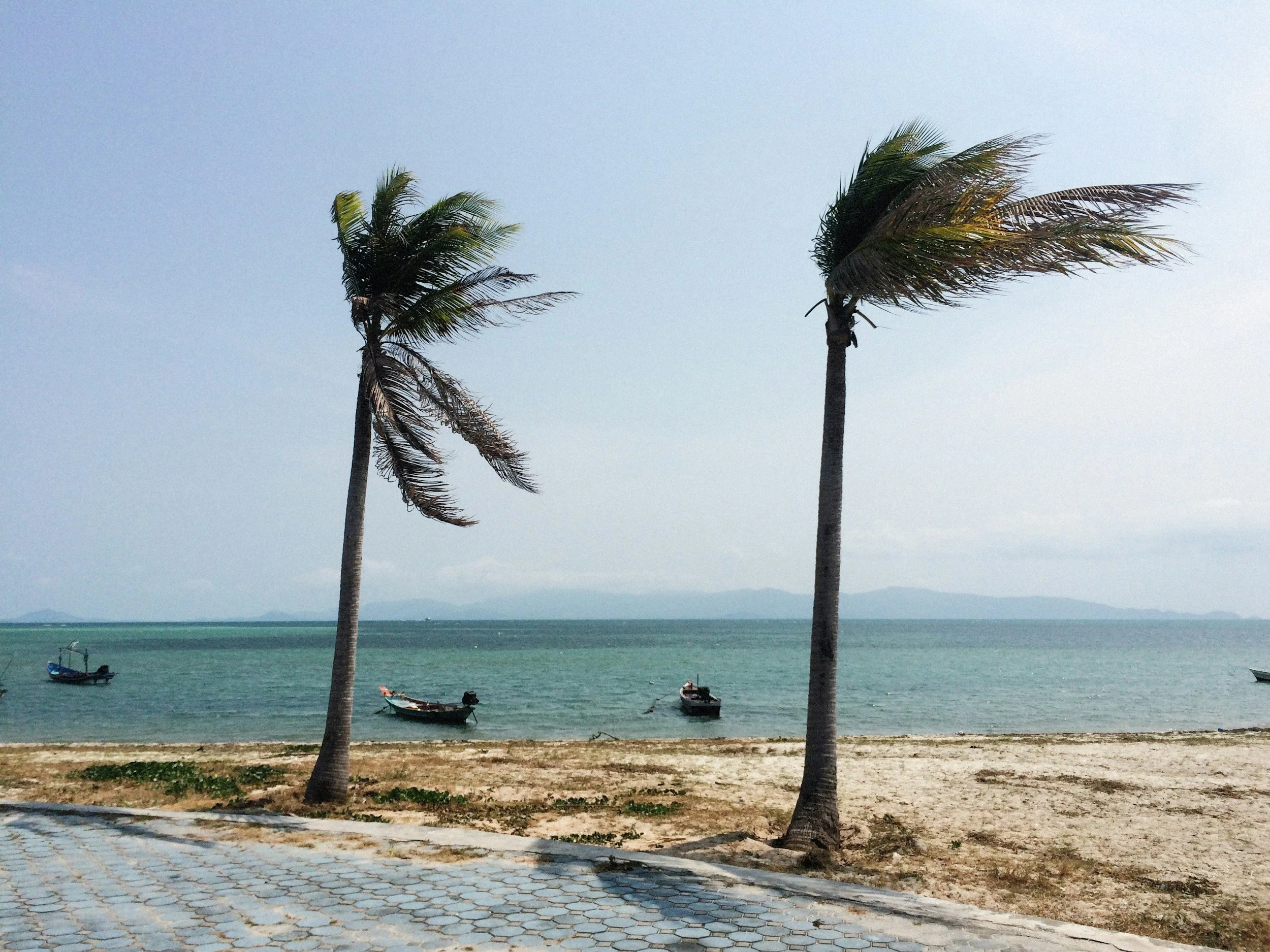
Hurricanes and Tropical Storms